
Dental Implants Windermere
Transform Your Incomplete Smile

The loss of your natural teeth can affect much more than your oral health – it can damage your self-confidence, hurt your smile’s ability to function, and leave you struggling to live your life to the fullest. That’s why Dr. Cousins wants to help you overcome this by recommending dental implants in Windermere. Implants rebuild the dental structure in a comprehensive and virtually seamless fashion; in fact, many patients can’t even tell them apart from their original teeth. To learn more about this modern reconstructive solution and whether it’s right for you, contact Windermere Center for Dentistry today!
Why Choose Windermere Center for Dentistry for Dental Implants?
- Experienced Dental Team That Prioritizes Patient Comfort
- Beautiful Restorations for All Degrees of Tooth Loss
- Dentist Is Member of International Team for Implantology
What Are Dental Implants?
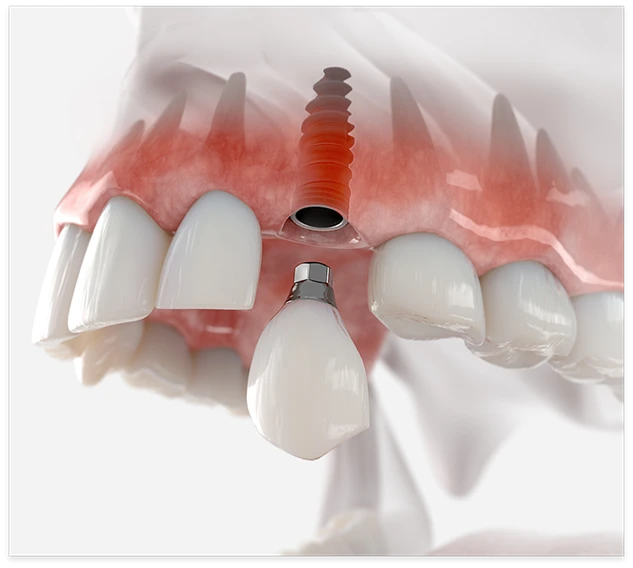
Unlike more traditional tooth replacement options, dental implants are designed to replicate the entire structure of your natural tooth. This includes both the white crown that everyone’s familiar with and the root that’s hidden safely under the gum tissue. Without a functioning tooth root in place, patients can suffer from jawbone deterioration; thankfully, the placement of a new, quality implant circumvents this problem and helps your smile stay healthier and stronger.
The 4-Step Dental Implant Process
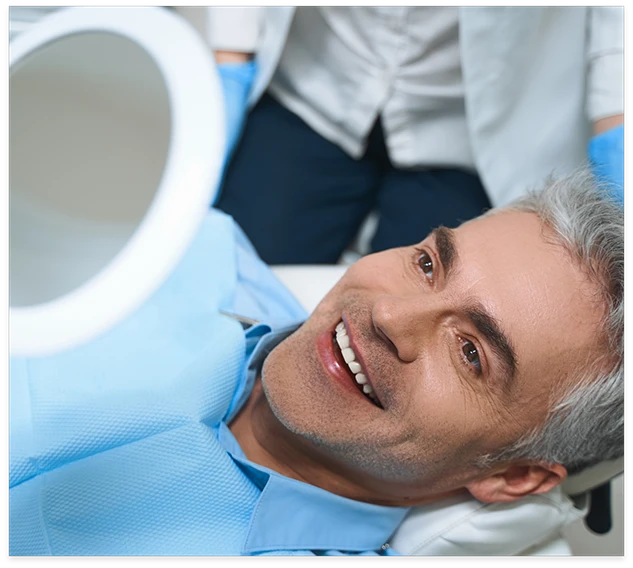
The dental implant process can usually be categorized into four distinct steps:
- Initial Consultation – The first step on your dental implant journey is an appointment at our office, where Dr. Cousins will examine your smile and assess if implants are a good option for you. Some patients end up needing preliminary treatments before they can get implants.
- Dental Implant Surgery – We’ll refer you to a local, hand-selected specialist for the placement surgery. One or multiple dental implants can be used, depending on the number of teeth being replaced.
- Osseointegration/Abutments – Your implant posts will need several months to fuse with your jaw to form a permanent bond. Once this has happened, you’ll receive your abutments, which are small connector pieces placed on top.
- Delivery of Final Restoration(s) – Depending on how many posts you have, your final restoration may come in the form of a crown, bridge, or denture. In any case, once it’s been attached to your abutments, it begins receiving full support from the underlying posts. From there, you’re all set to enjoy all the benefits of your new smile!
The Benefits of Dental Implants

In addition to filling out the gaps in your smile, dental implants come with numerous quality of life benefits, including:
- Dental implants restore the majority of your missing bite force, allowing you to enjoy all kinds of foods.
- The posts prevent the bone resorption in the jaw that follows tooth loss.
- Dental implants don’t require any specialized cleaning materials or maintenance.
- With the right care, dental implants can last for decades or even a lifetime.
Who Can Dental Implants Help?

Our recommendation for your new dental implant restoration will depend on the number of teeth/implants that require coverage. Available options include:
- Implant-Retained Dental Crowns – Dental crowns are used to cover singular implants and restore them in a way that doesn’t threaten the health of surrounding natural teeth.
- Implant Dental Bridges – Dental bridges can be used to “bridge” the gap left by one or more missing consecutive teeth. They’re held securely in place by implants on either side of the gap.
- Implant Prosthetics – Full or partial implant-retained dentures can cover several implants at once, which makes this option more cost-effective. They can be removable or fixed (permanent) in nature, depending on what the patient prefers.