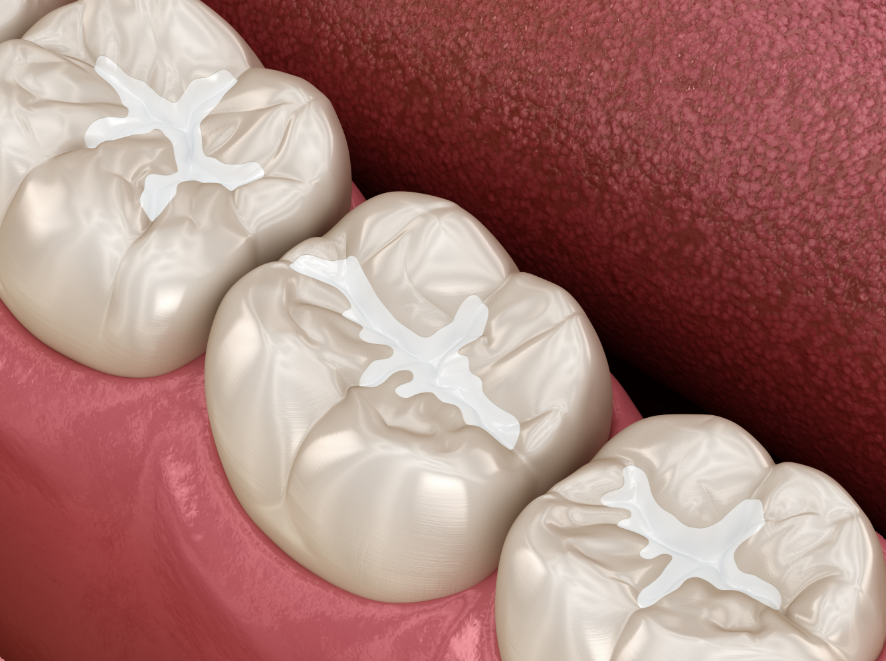
Losing a dental filling can feel alarming, especially if it happens suddenly while eating or brushing your teeth. Fillings are designed to restore and protect teeth that have been affected by decay, but they don’t last forever. Over time, normal wear and tear, chewing pressure, or even biting into something hard or sticky can cause a filling to loosen or fall out.
When this happens, the inner part of your tooth may be exposed, which can lead to sensitivity, discomfort, and a higher risk of further damage if not addressed quickly.
First Things First: Stay Calm and Assess
If your filling falls out, the first step is to stay calm. Take a moment to check your mouth and locate the area where the filling was. You may notice a small hole or feel a rough or jagged surface with your tongue.
If you can find the filling, keep it in a clean container. While it may not always be reusable, your dentist may want to examine it. Then, gently rinse your mouth with warm water to clean the area and remove any debris.
Protect the Tooth Until Your Appointment
Once the filling is gone, your tooth becomes more vulnerable, so it’s important to protect it as much as possible until you can see your dentist.
Try to avoid chewing on that side of your mouth, especially hard, crunchy, or sticky foods. If the area feels sensitive, you may want to stick to softer foods and avoid anything very hot or cold.
Over-the-counter dental cement, available at most pharmacies, can be used as a temporary solution to cover the exposed area. This isn’t a permanent fix, but it can help reduce sensitivity and protect the tooth in the short term.
Maintaining good oral hygiene is also key. Continue brushing and flossing carefully around the area to keep it clean, but be gentle to avoid further irritation.
Managing Pain or Sensitivity
It’s common to experience some level of discomfort when a filling falls out, especially if the inner layers of the tooth are exposed. Sensitivity to temperature or pressure may occur, and in some cases, there may be mild pain.
Over-the-counter pain relievers can help manage discomfort if needed. You can also avoid triggers like very cold drinks or sugary foods, which can worsen sensitivity.
If you experience severe pain, swelling, or signs of infection, it’s important to seek dental care as soon as possible, as these symptoms may indicate a more serious issue.
When to See Your Dentist
Even if the discomfort seems minor, a lost filling should always be evaluated by a dental professional. Delaying treatment can allow bacteria to enter the tooth, potentially leading to further decay or infection.
In many cases, your dentist can simply replace the filling. However, if the tooth has sustained additional damage, other treatments—such as a crown—may be recommended to restore its strength and function.
The sooner you address the issue, the easier and more straightforward the treatment is likely to be.
Don’t Ignore the Signs
A missing filling might not always feel like an emergency, but it’s not something to ignore. Taking prompt action can help protect your tooth, reduce discomfort, and prevent more extensive dental work down the line. With the right steps and timely care, your smile can be restored quickly and comfortably.
About the Author
Windermere Center for Dentistry is based in Windermere, FL. Led by Dr. Cousins, our practice provides each patient with truly calming, comfortable, and comprehensive dentistry. From checkups and fillings to complex dental emergency care, we have everything needed to treat your smile well. Rest assured that you’ll end each appointment with a thriving grin! For more details or to book a visit.
Call us at (407) 909-1097 or schedule your appointment online.