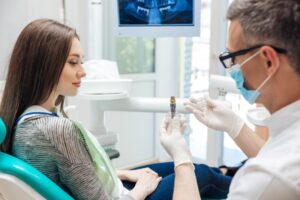
Dental implants are one of the most reliable and long-lasting solutions for replacing missing teeth. They provide stability, improve chewing ability, and help preserve jawbone health. However, not everyone is immediately a candidate for dental implants. Certain oral and overall health conditions can affect whether implants are safe or successful. The good news is that many of these issues can be treated or managed with proper dental care and planning.
1. Insufficient Jawbone Density
Dental implants require a strong and healthy jawbone to support the implant post, which acts as an artificial tooth root. When a tooth has been missing for a long time, the surrounding bone can begin to deteriorate due to lack of stimulation. This bone loss may make it difficult for an implant to properly anchor in place.
Fortunately, patients with bone loss are not always disqualified from receiving implants. Procedures such as bone grafting can rebuild and strengthen the jawbone, making implant placement possible. Your dentist or oral surgeon can evaluate bone density using digital imaging and recommend appropriate treatment if needed.
2. Gum Disease
Healthy gums are essential for the success of dental implants. Periodontal (gum) disease can damage the tissues and bone that support teeth and implants. If gum disease is present, it can increase the risk of implant failure because the infection may interfere with healing and long-term stability.
Before placing dental implants, your dentist will check for signs of gum disease. If gum disease is detected, treatment such as deep cleaning, medication, or periodontal therapy may be required. Once the infection is under control and the gums are healthy, implant treatment may become an option.
3. Certain Medical Conditions
Some medical conditions can impact healing and increase the risk of complications after implant surgery. Conditions such as uncontrolled diabetes, autoimmune disorders, or certain bone diseases may interfere with the body’s ability to heal properly. Additionally, cancer treatments like radiation therapy to the jaw area can affect bone health.
Having a medical condition does not automatically eliminate your chances of receiving dental implants. Many patients with controlled medical conditions successfully receive implants. Your dentist will review your medical history and may work closely with your physician to ensure implant treatment is safe and appropriate.
4. Smoking and Tobacco Use
Smoking and tobacco use can significantly reduce the success rate of dental implants. Tobacco restricts blood flow, slows healing, and increases the risk of infection and implant failure. Smokers may also experience more complications during the recovery process.
Many dentists strongly recommend quitting smoking before and after implant surgery to improve outcomes. Even reducing tobacco use can positively impact healing and implant success.
While certain issues can delay or complicate dental implant treatment, many of these concerns can be addressed with proper care and planning. A comprehensive dental evaluation can help determine your candidacy and identify any necessary preparatory treatments.
About the Author
Windermere Center for Dentistry is based in Windermere, FL. Led by Dr. Cousins, our practice provides each patient with truly calming, comfortable, and comprehensive dentistry. From checkups and fillings to complex dental emergency care, we have everything needed to treat your smile well. Rest assured that you’ll end each appointment with a thriving grin! For more details or to book a visit, please contact us on our website or by phone at (407) 909-1097.